Course Title: Graphic Designing for Self-Employment
Course Duration : 3 Months
Course Objectives:
- Equip students with the fundamental skills of graphic design.
- Enable students to create visually appealing designs using industry-standard software.
- Develop a portfolio that showcases students' design capabilities.
- Foster an understanding of the graphic design industry and how to secure freelance and full-time employment.
- Prepare students to start their own graphic design business or work as freelancers.
Course Overview:
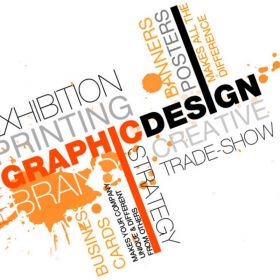
This course is designed to provide comprehensive training in graphic design, focusing on the skills and knowledge required to become a successful self-employed designer. It covers the basics of design principles, software proficiency, project management, and client communication. Students will learn through hands-on projects, real-world scenarios, and mentorship from experienced designers.
Course Teaching Methodology:
- Lectures and Presentations: Covering theoretical aspects of graphic design.
- Hands-on Practice: Using industry-standard software like Adobe Photoshop, Illustrator, and InDesign.
- Project-Based Learning: Real-world projects to build a professional portfolio.
- Workshops and Guest Lectures: Sessions with industry professionals.
- Peer Reviews and Feedback: Collaborative learning through peer critiques.
- Online Resources and Tutorials: Supplementary materials for self-paced learning.
- Mentorship and Guidance: One-on-one sessions with instructors for personalized feedback.
Importance for Learner in Career Growth and Self-Employment:
Career Growth:
- Enhanced employability with a strong portfolio.
- Opportunities to work with design agencies, advertising firms, and corporate design departments.
- Development of a unique design style that can set students apart in the job market.
Self-Employment:
- Skills to start and run a freelance graphic design business.
- Understanding of client management and project delivery.
- Knowledge of pricing, contracts, and business operations.
- Ability to market oneself effectively and build a client base.
Syllabus:
Month 1: Foundations of Graphic Design
Week 1: Introduction to Graphic Design
- Overview of graphic design.
- History and evolution of graphic design.
- Career opportunities in graphic design.
Week 2: Design Principles and Elements
- Understanding the elements of design: line, shape, color, texture, space, form, and typography.
- Principles of design: balance, contrast, emphasis, movement, pattern, rhythm, and unity.
Week 3: Color Theory and Typography
- Basics of color theory.
- Color wheel, color harmony, and color psychology.
- Typography fundamentals: types, fonts, and readability.
Week 4: Introduction to Design Software
- Overview of Adobe Creative Suite.
- Basics of Adobe Photoshop, Illustrator, and InDesign.
Month 2: Intermediate Graphic Design
Week 5: Adobe Photoshop
- Photo editing and manipulation.
- Creating graphics and mockups.
- Layers, masks, and filters.
Week 6: Adobe Illustrator
- Vector graphics and illustrations.
- Creating logos and icons.
- Pen tool, shapes, and paths.
Week 7: Adobe InDesign
- Layout design for print and digital media.
- Creating brochures, flyers, and magazines.
- Master pages, grids, and typography in InDesign.
Week 8: Project Management and Workflow
- Planning and managing design projects.
- Understanding client briefs and requirements.
- Effective communication with clients.
Month 3: Advanced Techniques and Portfolio Development
Week 9: Branding and Identity Design
- Creating brand identities.
- Logo design and branding guidelines.
- Developing a brand strategy.
Week 10: Web and Digital Design
- Basics of web design and UX/UI principles.
- Designing for social media and digital platforms.
- Responsive design techniques.
Week 11: Freelancing and Business Skills
- Setting up a freelance business.
- Pricing strategies and contracts.
- Marketing and self-promotion.
Week 12: Portfolio Development and Presentation
- Compiling a professional portfolio.
- Presentation skills for designers.
- Preparing for job interviews and client meetings.
Assessment and Certification:
- Projects: Regular project submissions and evaluations.
- Portfolio Review: Final portfolio presentation and critique.
- Quizzes and Assignments: Periodic quizzes to assess understanding.
- Certification: Certificate of completion awarded based on performance and portfolio quality.
Customization:
- Course contents can be modified based on the specific requirements of learners or regional industry needs.
This syllabus is designed to provide a solid foundation in graphic design, equipping students with the skills necessary for career growth and self-employment. The combination of theoretical knowledge, practical skills, and business acumen ensures that students are well-prepared for the dynamic field of graphic design.
Course Title: Graphic Designing for Self-Employment
Course Duration : 3 Months
Course Objectives:
- Equip students with the fundamental skills of graphic design.
- Enable students to create visually appealing designs using industry-standard software.
- Develop a portfolio that showcases students' design capabilities.
- Foster an understanding of the graphic design industry and how to secure freelance and full-time employment.
- Prepare students to start their own graphic design business or work as freelancers.
Course Overview:
This course is designed to provide comprehensive training in graphic design, focusing on the skills and knowledge required to become a successful self-employed designer. It covers the basics of design principles, software proficiency, project management, and client communication. Students will learn through hands-on projects, real-world scenarios, and mentorship from experienced designers.
Course Teaching Methodology:
- Lectures and Presentations: Covering theoretical aspects of graphic design.
- Hands-on Practice: Using industry-standard software like Adobe Photoshop, Illustrator, and InDesign.
- Project-Based Learning: Real-world projects to build a professional portfolio.
- Workshops and Guest Lectures: Sessions with industry professionals.
- Peer Reviews and Feedback: Collaborative learning through peer critiques.
- Online Resources and Tutorials: Supplementary materials for self-paced learning.
- Mentorship and Guidance: One-on-one sessions with instructors for personalized feedback.
Importance for Learner in Career Growth and Self-Employment:
Career Growth:
- Enhanced employability with a strong portfolio.
- Opportunities to work with design agencies, advertising firms, and corporate design departments.
- Development of a unique design style that can set students apart in the job market.
Self-Employment:
- Skills to start and run a freelance graphic design business.
- Understanding of client management and project delivery.
- Knowledge of pricing, contracts, and business operations.
- Ability to market oneself effectively and build a client base.
Syllabus:
Month 1: Foundations of Graphic Design
Week 1: Introduction to Graphic Design
- Overview of graphic design.
- History and evolution of graphic design.
- Career opportunities in graphic design.
Week 2: Design Principles and Elements
- Understanding the elements of design: line, shape, color, texture, space, form, and typography.
- Principles of design: balance, contrast, emphasis, movement, pattern, rhythm, and unity.
Week 3: Color Theory and Typography
- Basics of color theory.
- Color wheel, color harmony, and color psychology.
- Typography fundamentals: types, fonts, and readability.
Week 4: Introduction to Design Software
- Overview of Adobe Creative Suite.
- Basics of Adobe Photoshop, Illustrator, and InDesign.
Month 2: Intermediate Graphic Design
Week 5: Adobe Photoshop
- Photo editing and manipulation.
- Creating graphics and mockups.
- Layers, masks, and filters.
Week 6: Adobe Illustrator
- Vector graphics and illustrations.
- Creating logos and icons.
- Pen tool, shapes, and paths.
Week 7: Adobe InDesign
- Layout design for print and digital media.
- Creating brochures, flyers, and magazines.
- Master pages, grids, and typography in InDesign.
Week 8: Project Management and Workflow
- Planning and managing design projects.
- Understanding client briefs and requirements.
- Effective communication with clients.
Month 3: Advanced Techniques and Portfolio Development
Week 9: Branding and Identity Design
- Creating brand identities.
- Logo design and branding guidelines.
- Developing a brand strategy.
Week 10: Web and Digital Design
- Basics of web design and UX/UI principles.
- Designing for social media and digital platforms.
- Responsive design techniques.
Week 11: Freelancing and Business Skills
- Setting up a freelance business.
- Pricing strategies and contracts.
- Marketing and self-promotion.
Week 12: Portfolio Development and Presentation
- Compiling a professional portfolio.
- Presentation skills for designers.
- Preparing for job interviews and client meetings.
Assessment and Certification:
- Projects: Regular project submissions and evaluations.
- Portfolio Review: Final portfolio presentation and critique.
- Quizzes and Assignments: Periodic quizzes to assess understanding.
- Certification: Certificate of completion awarded based on performance and portfolio quality.
Customization:
- Course contents can be modified based on the specific requirements of learners or regional industry needs.
This syllabus is designed to provide a solid foundation in graphic design, equipping students with the skills necessary for career growth and self-employment. The combination of theoretical knowledge, practical skills, and business acumen ensures that students are well-prepared for the dynamic field of graphic design.