Course Name: Fire and Safety Engineering (
Skill Development Course
Course Duration: 1 Year (Part-Time)
Course Overview:
The Part-Time Skill Development Course in Fire and Safety Engineering is designed to equip students with the essential knowledge and skills required for a career in fire and safety management. This course focuses on both theoretical understanding and practical application, preparing students for self-employment opportunities in the field of fire and safety.
Course Objectives:
- To provide a comprehensive understanding of the fundamentals of fire and safety engineering.
- To familiarize students with various types of fires, their causes, and the principles of combustion.
- To train students in the proper handling and operation of fire extinguishers.
- To teach students about firefighting equipment such as hoses, hydrants, and foam-making equipment.
- To introduce students to electrical safety and hazards, along with preventive measures.
- To develop proficiency in the use of ladders and breathing apparatus.
- To provide knowledge of first aid and emergency response.
- To instill a strong sense of safety discipline and hazard identification.
- To educate students on relevant legal aspects and regulations, such as the Factories Act 1948.
- To offer practical training and hands-on experience in various aspects of fire and safety engineering.
Course Teaching Methodology:
This course employs a combination of teaching methods to ensure effective learning:
Lectures and Classroom Sessions: Students will attend regular lectures to acquire theoretical knowledge related to fire and safety engineering.
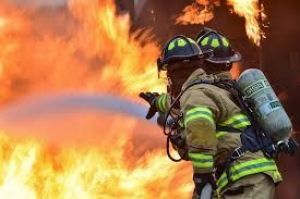
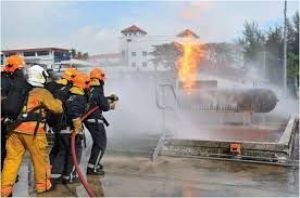
Practical Training: Practical sessions will be conducted to allow students to apply their knowledge in simulated firefighting scenarios and equipment operation.
Field Visits: Students will have the opportunity to visit industrial sites and learn about real-world safety practices.
Group Projects: Collaborative projects will be assigned to encourage teamwork and practical problem-solving.
Guest Lectures: Industry experts will be invited to share their experiences and insights with the students.
Assessments: Regular assessments, including quizzes, exams, and practical evaluations, will be conducted to gauge students' understanding and progress.
Importance for Learners in Career Growth and Self-Employment:
This course holds immense importance for learners as it equips them with the skills and knowledge needed for a successful career in fire and safety engineering. Graduates of this program will be well-prepared for self-employment opportunities, including starting their own safety consulting businesses or working in safety roles across various industries. Additionally, this course provides a strong foundation for those seeking employment in safety management positions, which are in high demand.
Course Contents (Subject-wise):
The course content includes, but is not limited to, the following subjects:
- Basic Physics and Chemistry Related to Fire
- Anatomy of Fire
- Classification of Fire & Extinguishers
- Hose and Hose Fittings
- Hydrant & Fittings
- Foam & Foam Making Equipment
- Pump & Pump Operation
- Hydraulics
- Electricity
- Ladders
- Breathing Apparatus
- Water Tender and Special Appliances
- Small & Special Gears
- First Aid and Resuscitation
- Automatic Fire Detection cum Alarm System
- Discipline
- Hazard and Risk
- Accident
- Safety Concept
- Factories Act 1948 (Amended)
- Health, Safety, and Welfare
- Lighting, Ventilation & Work-Related Stress
- Construction Industry
Practical Training:
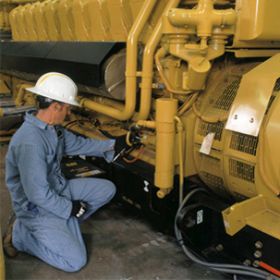
The practical component of the course will cover essential skills such as equipment operation, first aid, and road safety. Students will gain hands-on experience in using safety equipment and responding to emergencies.
Upon successful completion of this one-year part-time course, students will be well-prepared for a rewarding career in fire and safety engineering, with the option to pursue self-employment opportunities in this vital field. The course content can be adapted to meet specific learner requirements or regional variations as needed.
Course Name: Fire and Safety Engineering (
Skill Development Course
Course Duration: 1 Year (Part-Time)
Course Overview:
The Part-Time Skill Development Course in Fire and Safety Engineering is designed to equip students with the essential knowledge and skills required for a career in fire and safety management. This course focuses on both theoretical understanding and practical application, preparing students for self-employment opportunities in the field of fire and safety.
Course Objectives:
- To provide a comprehensive understanding of the fundamentals of fire and safety engineering.
- To familiarize students with various types of fires, their causes, and the principles of combustion.
- To train students in the proper handling and operation of fire extinguishers.
- To teach students about firefighting equipment such as hoses, hydrants, and foam-making equipment.
- To introduce students to electrical safety and hazards, along with preventive measures.
- To develop proficiency in the use of ladders and breathing apparatus.
- To provide knowledge of first aid and emergency response.
- To instill a strong sense of safety discipline and hazard identification.
- To educate students on relevant legal aspects and regulations, such as the Factories Act 1948.
- To offer practical training and hands-on experience in various aspects of fire and safety engineering.
Course Teaching Methodology:
This course employs a combination of teaching methods to ensure effective learning:
Lectures and Classroom Sessions: Students will attend regular lectures to acquire theoretical knowledge related to fire and safety engineering.
Practical Training: Practical sessions will be conducted to allow students to apply their knowledge in simulated firefighting scenarios and equipment operation.
Field Visits: Students will have the opportunity to visit industrial sites and learn about real-world safety practices.
Group Projects: Collaborative projects will be assigned to encourage teamwork and practical problem-solving.
Guest Lectures: Industry experts will be invited to share their experiences and insights with the students.
Assessments: Regular assessments, including quizzes, exams, and practical evaluations, will be conducted to gauge students' understanding and progress.
Importance for Learners in Career Growth and Self-Employment:
This course holds immense importance for learners as it equips them with the skills and knowledge needed for a successful career in fire and safety engineering. Graduates of this program will be well-prepared for self-employment opportunities, including starting their own safety consulting businesses or working in safety roles across various industries. Additionally, this course provides a strong foundation for those seeking employment in safety management positions, which are in high demand.
Course Contents (Subject-wise):
The course content includes, but is not limited to, the following subjects:
- Basic Physics and Chemistry Related to Fire
- Anatomy of Fire
- Classification of Fire & Extinguishers
- Hose and Hose Fittings
- Hydrant & Fittings
- Foam & Foam Making Equipment
- Pump & Pump Operation
- Hydraulics
- Electricity
- Ladders
- Breathing Apparatus
- Water Tender and Special Appliances
- Small & Special Gears
- First Aid and Resuscitation
- Automatic Fire Detection cum Alarm System
- Discipline
- Hazard and Risk
- Accident
- Safety Concept
- Factories Act 1948 (Amended)
- Health, Safety, and Welfare
- Lighting, Ventilation & Work-Related Stress
- Construction Industry
Practical Training:
The practical component of the course will cover essential skills such as equipment operation, first aid, and road safety. Students will gain hands-on experience in using safety equipment and responding to emergencies.
Upon successful completion of this one-year part-time course, students will be well-prepared for a rewarding career in fire and safety engineering, with the option to pursue self-employment opportunities in this vital field. The course content can be adapted to meet specific learner requirements or regional variations as needed.