Details for 12-month Part-Time Interior Design Course
Course Objectives
Course Title: Interior Design (Skill Development Course)
Course Duration: 1 Year (Part-Time)
Course Objectives:
The objective of this course is to provide students with the necessary skills and knowledge to become successful interior designers. By the end of the course, the students will be able to:
- Understand the fundamentals of interior design and decoration
- Develop a design concept and execute it into a functional and aesthetically pleasing space
- Familiarize with the latest design trends and techniques
- Enhance their creativity and design thinking abilities
- Learn to work with clients and communicate effectively
- Develop a professional portfolio to showcase their work
Course Overview
This course is divided into 12 modules, each running for a month. The modules are designed to cover a comprehensive range of topics in interior design, including:
- Introduction to Interior Design
- Elements and Principles of Design
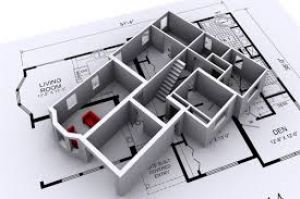
- Space Planning and Furniture Layout
- Lighting Design
- Color Theory and Application
- Materials and Finishes
- Textile Design and Soft Furnishings
- Kitchen and Bathroom Design
- Residential Design
- Commercial Design
- Sustainable Design
- Portfolio Development
Course Teaching Methodology
The course would be taught through a combination of lectures, hands-on workshops, and assignments. Guest lectures from industry experts would be arranged to provide students with real-world insights into the field. Students would be required to complete a design project at the end of each module to apply their learning and receive feedback from the instructor.
Importance of the Course for Learner's Career Growth and Self-Employment
The interior design industry is growing rapidly in India, providing ample opportunities for self-employment and career growth. The skills and knowledge acquired in this course will help students become successful interior designers, and self-employed professionals. By completing this course, learners will also be able to develop a professional portfolio to showcase their work, which is crucial in securing design projects in the industry.
Course Contents
Module 1: Introduction to Interior Design
- History of Interior Design
- Design Styles and Movements
- Design Process and Terminologies
Module 2: Elements and Principles of Design
- Color, Texture, and Pattern
- Line, Shape, and Form
- Balance, Harmony, and Proportion
Module 3: Space Planning and Furniture Layout
- Scale and Proportion
- Traffic Flow and Functionality
- Ergonomics and Human Factors
Module 4: Lighting Design
- Lighting Types and Functions
- Lighting Techniques and Effects
- Light Sources and Fixtures
Module 5: Color Theory and Application
- Color Psychology and Meanings
- Color Schemes and Combinations
- Color Applications in Design
Module 6: Materials and Finishes
- Types of Materials and Finishes
- Selection Criteria and Application
- Sustainability and Environmental Considerations
Module 7: Textile Design and Soft Furnishings
- Types of Textiles and Fabrics
- Selection Criteria and Application
- Soft Furnishings and Accessories
Module 8: Kitchen and Bathroom Design
- Kitchen and Bathroom Layouts
- Cabinetry and Storage
- Plumbing and Fixtures
Module 9: Residential Design
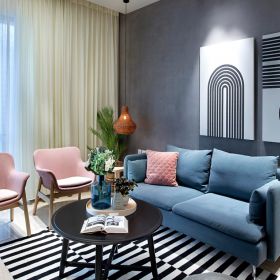
- Living Room and Bedrooms
- Dining Room and Foyer
- Window Treatments and Accessories
Module 10: Commercial Design
- Office and Retail Spaces
- Hospitality and Entertainment Spaces
- Healthcare and Educational Spaces
Module 11: Sustainable Design
- Green Design Concepts and Techniques
- Energy Efficiency and Conservation
- Environmental and Health Impacts
Module 12: Portfolio Development
- Portfolio Creation and Management
- Presentation Techniques and Strategies
- Career Planning and Networking
Note: The contents can be modified based on the specific requirements of learners or location.
Details for 12-month Part-Time Interior Design Course
Course Objectives
Course Title: Interior Design (Skill Development Course)
Course Duration: 1 Year (Part-Time)
Course Objectives:
The objective of this course is to provide students with the necessary skills and knowledge to become successful interior designers. By the end of the course, the students will be able to:
- Understand the fundamentals of interior design and decoration
- Develop a design concept and execute it into a functional and aesthetically pleasing space
- Familiarize with the latest design trends and techniques
- Enhance their creativity and design thinking abilities
- Learn to work with clients and communicate effectively
- Develop a professional portfolio to showcase their work
Course Overview
This course is divided into 12 modules, each running for a month. The modules are designed to cover a comprehensive range of topics in interior design, including:
- Introduction to Interior Design
- Elements and Principles of Design
- Space Planning and Furniture Layout
- Lighting Design
- Color Theory and Application
- Materials and Finishes
- Textile Design and Soft Furnishings
- Kitchen and Bathroom Design
- Residential Design
- Commercial Design
- Sustainable Design
- Portfolio Development
Course Teaching Methodology
The course would be taught through a combination of lectures, hands-on workshops, and assignments. Guest lectures from industry experts would be arranged to provide students with real-world insights into the field. Students would be required to complete a design project at the end of each module to apply their learning and receive feedback from the instructor.
Importance of the Course for Learner's Career Growth and Self-Employment
The interior design industry is growing rapidly in India, providing ample opportunities for self-employment and career growth. The skills and knowledge acquired in this course will help students become successful interior designers, and self-employed professionals. By completing this course, learners will also be able to develop a professional portfolio to showcase their work, which is crucial in securing design projects in the industry.
Course Contents
Module 1: Introduction to Interior Design
- History of Interior Design
- Design Styles and Movements
- Design Process and Terminologies
Module 2: Elements and Principles of Design
- Color, Texture, and Pattern
- Line, Shape, and Form
- Balance, Harmony, and Proportion
Module 3: Space Planning and Furniture Layout
- Scale and Proportion
- Traffic Flow and Functionality
- Ergonomics and Human Factors
Module 4: Lighting Design
- Lighting Types and Functions
- Lighting Techniques and Effects
- Light Sources and Fixtures
Module 5: Color Theory and Application
- Color Psychology and Meanings
- Color Schemes and Combinations
- Color Applications in Design
Module 6: Materials and Finishes
- Types of Materials and Finishes
- Selection Criteria and Application
- Sustainability and Environmental Considerations
Module 7: Textile Design and Soft Furnishings
- Types of Textiles and Fabrics
- Selection Criteria and Application
- Soft Furnishings and Accessories
Module 8: Kitchen and Bathroom Design
- Kitchen and Bathroom Layouts
- Cabinetry and Storage
- Plumbing and Fixtures
Module 9: Residential Design
- Living Room and Bedrooms
- Dining Room and Foyer
- Window Treatments and Accessories
Module 10: Commercial Design
- Office and Retail Spaces
- Hospitality and Entertainment Spaces
- Healthcare and Educational Spaces
Module 11: Sustainable Design
- Green Design Concepts and Techniques
- Energy Efficiency and Conservation
- Environmental and Health Impacts
Module 12: Portfolio Development
- Portfolio Creation and Management
- Presentation Techniques and Strategies
- Career Planning and Networking
Note: The contents can be modified based on the specific requirements of learners or location.