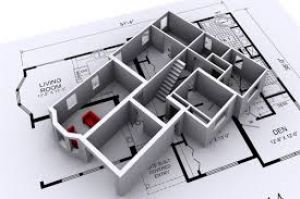
Course Title: Basic Interior Design (Skill Development)
Course Duration: 9 Months (Part-Time)
Course Objectives:
- To provide students with a comprehensive understanding of interior design principles and concepts.
- To develop practical skills in interior design that can be applied to real-world projects.
- To prepare students for self-employment opportunities in the field of interior design.
- To introduce students to various interior design styles, codes, and regulations.
- To equip students with the knowledge needed to pursue professional certification in interior design.
Course Overview:
Module 1: Introduction to Interior Design
- What is Interior Design?
- Interior Designers and Their Collaborations
- Comparison of Interior Decorators and Interior Designers
- Specializations in Interior Design
- Evolution of Design
- Historical Influences on Interior Design
Module 2: Basic Interior Design Decorating Principles
- Principles of Color
- Texture and Its Applications
- Paint and Wall Coverings
- Upholstery and Accessories
- Flooring and Lighting
- Furniture Selection and Placement
- Designing for Function and Style
- Additional Decorating Elements
Module 3: The Science of Color
- Color Theory and the Color Wheel
- Creating Customized Color Palettes
- Complementary Color Combinations
- Color Psychology and Its Application
- Color in Different Design Styles
- Color in Feng Shui
Module 4: Major Design Styles
- Importance of Studying Design Styles
- Exploration of Major Interior Design Styles
- Understanding Design Codes
- National and International Codes
- State-Specific Codes
- Interior Design Certification and Licensing
- Legislation and Advocacy
Module 5: Interior Design Standards and Certification
- What Are Standards in Interior Design?
- Accreditation and Standards for Interior Designers
- Licensing and Certification Requirements
- Specialty Certifications
- Title Laws Regulating Interior Designers
- Areas of Specialization (Corporate, Healthcare, Hospitality, etc.)
Module 6: LEED Building Certification
- Introduction to LEED (Leadership in Energy and Environmental Design)
- LEED Building Certification Process
- LEED Professional Certification
- Business Benefits of LEED Certification
- Types of LEED Certifications
Module 7: Professional Practice
- Principles of Professional Interior Design Practice
- Understanding Design Products and Materials
- Interior Construction, Codes, and Regulations
- Effective Communication in Interior Design
- Meeting Human Environmental Needs
Module 8: Building a Successful Interior Design Business
- Legal Aspects of Interior Design
- Establishing Your Business Officially
- Portfolio Development and Maintenance
- Marketing Your Interior Design Services
- Identifying a Niche Market
- Staying Updated with Industry Trends
- Maintaining Client Relationships
Module 9: Interior Design Associations and Resources
- Overview of Interior Design Associations
- Government Resources for Interior Designers
- Relevant Websites and Online Tools
- Magazines for Inspiration and Information (Consumer and Trade)
Teaching Methodology:
- Lectures and Presentations
- Hands-on Practical Workshops
- Case Studies and Real-world Projects
- Guest Lectures by Industry Experts
- Field Visits to Design Studios and Projects
- Group Discussions and Peer Learning
Importance for Learners:
This course equips learners with the knowledge and practical skills required to pursue a successful career in interior design. It prepares them for self-employment opportunities and provides insights into various design styles, codes, and certifications, enhancing their prospects in the Indian interior design industry.
Note: Course content can be modified based on learner requirements and location-specific considerations.
Course Title: Basic Interior Design (Skill Development)
Course Duration: 9 Months (Part-Time)
Course Objectives:
- To provide students with a comprehensive understanding of interior design principles and concepts.
- To develop practical skills in interior design that can be applied to real-world projects.
- To prepare students for self-employment opportunities in the field of interior design.
- To introduce students to various interior design styles, codes, and regulations.
- To equip students with the knowledge needed to pursue professional certification in interior design.
Course Overview:
Module 1: Introduction to Interior Design
- What is Interior Design?
- Interior Designers and Their Collaborations
- Comparison of Interior Decorators and Interior Designers
- Specializations in Interior Design
- Evolution of Design
- Historical Influences on Interior Design
Module 2: Basic Interior Design Decorating Principles
- Principles of Color
- Texture and Its Applications
- Paint and Wall Coverings
- Upholstery and Accessories
- Flooring and Lighting
- Furniture Selection and Placement
- Designing for Function and Style
- Additional Decorating Elements
Module 3: The Science of Color
- Color Theory and the Color Wheel
- Creating Customized Color Palettes
- Complementary Color Combinations
- Color Psychology and Its Application
- Color in Different Design Styles
- Color in Feng Shui
Module 4: Major Design Styles
- Importance of Studying Design Styles
- Exploration of Major Interior Design Styles
- Understanding Design Codes
- National and International Codes
- State-Specific Codes
- Interior Design Certification and Licensing
- Legislation and Advocacy
Module 5: Interior Design Standards and Certification
- What Are Standards in Interior Design?
- Accreditation and Standards for Interior Designers
- Licensing and Certification Requirements
- Specialty Certifications
- Title Laws Regulating Interior Designers
- Areas of Specialization (Corporate, Healthcare, Hospitality, etc.)
Module 6: LEED Building Certification
- Introduction to LEED (Leadership in Energy and Environmental Design)
- LEED Building Certification Process
- LEED Professional Certification
- Business Benefits of LEED Certification
- Types of LEED Certifications
Module 7: Professional Practice
- Principles of Professional Interior Design Practice
- Understanding Design Products and Materials
- Interior Construction, Codes, and Regulations
- Effective Communication in Interior Design
- Meeting Human Environmental Needs
Module 8: Building a Successful Interior Design Business
- Legal Aspects of Interior Design
- Establishing Your Business Officially
- Portfolio Development and Maintenance
- Marketing Your Interior Design Services
- Identifying a Niche Market
- Staying Updated with Industry Trends
- Maintaining Client Relationships
Module 9: Interior Design Associations and Resources
- Overview of Interior Design Associations
- Government Resources for Interior Designers
- Relevant Websites and Online Tools
- Magazines for Inspiration and Information (Consumer and Trade)
Teaching Methodology:
- Lectures and Presentations
- Hands-on Practical Workshops
- Case Studies and Real-world Projects
- Guest Lectures by Industry Experts
- Field Visits to Design Studios and Projects
- Group Discussions and Peer Learning
Importance for Learners:
This course equips learners with the knowledge and practical skills required to pursue a successful career in interior design. It prepares them for self-employment opportunities and provides insights into various design styles, codes, and certifications, enhancing their prospects in the Indian interior design industry.
Note: Course content can be modified based on learner requirements and location-specific considerations.